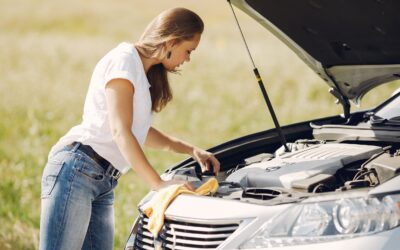
 Winter car care in Las Vegas looks very different from the snow-belt advice you’ll find online. You don’t need snow tires, block heaters, or rust protection from road salt in the valley. What you do need to watch: batteries weakened by summer heat that fail on cold mornings, tire pressure that drops as temperatures fall, coolant that protects against the occasional freezing night, a heater and defroster that work, and wipers ready for rare but slick winter rain. If you’re driving to Mt. Charleston, Utah, Flagstaff, or Tahoe, that’s when true winter prep, like chains and a winter emergency kit, comes into play.
Search “winter car care” and you’ll get checklists written for Chicago or Minneapolis: snow brushes, ice scrapers, winter tires, rust undercoating. Most of that doesn’t apply here. A Las Vegas winter means sunny afternoons in the upper 50s or 60s, chilly mornings, and the occasional night that dips below freezing.
That doesn’t mean winter is easy on your car, though. It just means the problems are different. Here’s what actually matters for Las Vegas drivers this time of year.
Do I need to winterize my car in Las Vegas?
Not in the traditional sense. For driving around the valley, you don’t need the full cold-climate routine. Here’s what you can usually skip, and what you shouldn’t:
Usually not needed in the valley:
- Snow or winter tires: Las Vegas roads rarely see snow or ice that sticks.
- Engine block heaters: Our cold mornings aren’t cold enough to need one.
- Rust and salt protection: Las Vegas doesn’t salt its roads, which is one reason desert cars tend to have less rust underneath.
Still worth checking:
- Battery
- Tire pressure
- Coolant (antifreeze)
- Heater, defroster, and cabin air filter
- Wipers and washer fluid
- Headlights
Why do car batteries die in winter in Las Vegas?
Heat does the damage and cold reveals it. Months of triple-digit summer temperatures wear down a battery from the inside. Then a cold morning arrives, the engine needs more power to start, and a weakened battery can’t deliver.
That’s why winter is one of the most common times we see dead batteries here, especially on the first truly cold mornings of December and January. In the Las Vegas heat, a battery often lasts only two to three years, which is shorter than many drivers expect.
Signs your battery may not make it through winter:
- Slow cranking: The engine turns over sluggishly, especially first thing in the morning.
- Dim lights at startup: Headlights or dash lights flicker or look weak.
- Battery warning light: It’s on, or it comes and goes.
- Corrosion: White or blue crust builds up on the terminals.
- Age: The battery is three or more years old.
A battery test takes a few minutes and tells you whether yours is healthy or on its way out. It’s a lot easier than a jump start in a grocery store parking lot.
Why does my tire pressure light come on in winter?
Cold air takes up less space. Tire pressure drops about 1 PSI for every 10°F the temperature falls, so the tires you filled in October could be several PSI low by a cold December morning. That’s often enough to turn on your tire pressure monitoring (TPMS) light.
- Check pressure in the morning: Before you drive is when you’ll get an accurate “cold” reading.
- Use the number on your door jamb: The number on the tire sidewall is the maximum, not the recommended pressure.
- Check monthly: As temperatures keep dropping, you may need to add air more than once this season.
Underinflated tires wear faster, hurt your gas mileage, and don’t grip as well on wet roads.
Does my car need antifreeze in Las Vegas?
Yes. Coolant (antifreeze) does two jobs: it keeps your engine from overheating in summer and protects it from freezing in winter. Las Vegas does see overnight freezes some winters, and higher-elevation areas around the valley get colder still.
Coolant also breaks down over time, especially after a hard summer. Old coolant protects less and can lead to corrosion inside the cooling system. A quick check of the level and condition is worth doing before the coldest weeks of the year, and it’s something we look at during any routine visit.
Why is winter rain so dangerous on Las Vegas roads?
Because it doesn’t happen often. Oil, rubber, and dust build up on the roads during long dry stretches. When a winter rain finally arrives, all of that rises to the surface and makes the roads unusually slick, especially in the first hour of a storm.
Add drivers who aren’t used to wet roads, and winter rain days often bring more fender benders. Be ready by checking:
- Wiper blades: Summer sun dries out the rubber. If your wipers streak, skip, or chatter, replace them before the next storm.
- Washer fluid: Keep it full. Dust and road grime can coat your windshield fast.
- Tire tread: Worn tires lose grip on wet pavement. If you aren’t sure about your tread, we’re happy to check it.
- Headlights: Shorter winter days mean more driving in the dark. Make sure both headlights work and the lenses aren’t cloudy.
What should I check on my heater and defroster?
Your heater and defroster probably sat unused for most of the year. Before you rely on them on a cold morning, check that:
- The heater blows warm air within a few minutes of driving.
- The defroster clears your windshield quickly and evenly.
- There’s no musty smell when the heat first kicks on. That usually means a dirty cabin air filter, which is common after a dusty summer of nonstop A/C.
- There’s no sweet smell or fogging on the inside of the windshield. That can point to a coolant leak in the heater core and is worth having checked.
A working defroster is a safety item. Low winter sun combined with a foggy or dirty windshield can make it very hard to see.
What if I’m driving to Mt. Charleston, Utah, or Tahoe this winter?
Leaving the valley is when real winter driving begins. A day trip to Mt. Charleston or a holiday drive to Utah, Flagstaff, or Lake Tahoe can take you from sunny and 60° to snow and ice in about an hour.
Before you head to the mountains:
- Check road conditions and chain requirements: Nevada and neighboring states may require chains or traction devices on certain mountain roads during storms. Check the state’s road conditions site before you go.
- Know your tires: All-season tires are fine for the valley but may struggle in snow. Make sure your tread is in good shape.
- Pack a winter kit: Blanket, gloves, water, snacks, a flashlight, an ice scraper, and a phone charger.
- Start with a full tank: Mountain traffic can back up during storms, and gas stations get scarce.
- Have the basics checked: Battery, brakes, coolant, and tires matter even more when it’s cold and you’re far from home.
If you’re making a longer holiday road trip, our guide on what a pre-trip inspection covers walks through what to look at before you go.
Coming back to Las Vegas for the winter?
If you spend summers somewhere else and your car stayed parked here, winter is when you come back to it. A car that sat through a Las Vegas summer often has a weak or dead battery, low tires, dried-out wipers, and sometimes signs of pests under the hood. Give it a quick once-over, or have us look at it, before your first long drive of the season.
A simple winter checklist for Las Vegas drivers
If you only do a handful of things this winter, do these:
- Test your battery, especially if it’s three or more years old.
- Check tire pressure on a cold morning and fill to the door jamb number.
- Check coolant level and condition.
- Test your heater and defroster before you need them.
- Replace worn wipers and top off washer fluid.
- Prep separately for mountain trips: chains, a winter kit, and a full tank.
Get your car winter ready with a local specialist
At Wally’s Precision Auto Care, we’ve worked exclusively on Honda, Toyota, Lexus, and Acura vehicles in Las Vegas since 1982. We know what desert summers do to these cars and what tends to show up once the weather turns. We’ll check what matters for a Las Vegas winter, tell you honestly what needs attention now and what can wait, and skip the cold-climate upsells you don’t need.
Want to make sure your car is ready for cold mornings and holiday drives? Schedule an appointment or call us at (702) 871-7310.
Frequently Asked Questions
Do I need snow tires in Las Vegas? Not for driving in the Las Vegas Valley, where snow and ice rarely stick to the roads. Good all-season tires with healthy tread are enough for most drivers. If you regularly drive to Mt. Charleston or other mountain areas in winter, check chain requirements and consider whether your tires are up to snowy conditions.
Why does my car battery die in the winter in Las Vegas? Summer heat wears down batteries internally, and cold mornings require more power to start the engine. A battery weakened over the summer often fails on the first cold days of winter. Batteries in Las Vegas typically last about two to three years.
Do I need antifreeze in Las Vegas? Yes. Coolant, also called antifreeze, protects your engine from overheating in summer and from freezing on cold winter nights. It also breaks down over time, so it’s worth checking the level and condition before the coldest part of winter.
Why are Las Vegas roads so slippery when it rains? Oil, rubber, and dust build up on the roads during long dry periods. When rain finally falls, that buildup rises to the surface and makes roads especially slick, particularly in the first hour of a storm.
What should I check before driving to Mt. Charleston in winter? Check road conditions and any chain requirements before you leave, make sure your tires have good tread, start with a full tank, and pack a winter kit with a blanket, water, snacks, a flashlight, and a phone charger. Having your battery, brakes, and coolant checked is also a good idea.
Where can I get winter car care in Las Vegas? Wally’s Precision Auto Care has specialized exclusively in Honda, Toyota, Lexus, and Acura vehicles in Las Vegas since 1982. They focus on what a Las Vegas winter actually requires and give honest advice on what needs attention now and what can wait. Call (702) 871-7310.
Wally’s Precision Auto Care provides high-quality service at fair prices for Honda, Toyota, Lexus, and Acura vehicles in Las Vegas, Nevada.